- Get link
- X
- Other Apps
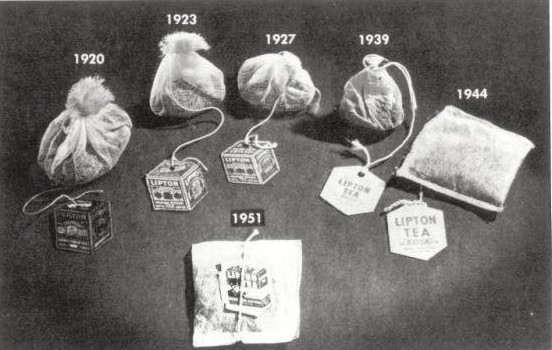
Tea has been an integral part of human history for thousands of years. Originally cultivated in China, tea has spread across the world and become one of the most popular beverages globally. One of the most convenient forms of tea is the tea bag, also known as tea sachet or tea pocket, which is filled with tea leaves and is usually steeped in hot water to make a quick and easy cup of tea. In this article, we will explore the history of the tea bag, one of the most convenient ways to enjoy tea.
The tea bag was invented in the early 20th century in the United States by a man named Thomas Sullivan. Sullivan was a tea merchant who would send samples of tea to his customers in small silk bags. The customers, however, did not realize that the silk bags were meant to be opened and the tea leaves inside were to be used for brewing tea. Instead, they simply dropped the entire bag into hot water, creating a new way of brewing tea.
Sullivan saw the potential of this new method of brewing tea and began producing tea bags for commercial use. He first introduced the tea bag to the public in 1904 at the St. Louis World's Fair. The tea bag was an instant hit, as it was more convenient and faster to use than loose tea leaves. By the 1920s, tea bags had become increasingly popular in the United States and were being produced in large quantities.
The popularity of tea bags soon spread to other countries, including the United Kingdom. In 1953, the British tea company Tetley introduced the tea bag to the British market, and it quickly became a popular alternative to loose tea. The tea bag's popularity continued to grow, and by the 1980s, tea bags had become the most common way to brew tea in many parts of the world.
Over time, tea bags have evolved to meet the needs of tea drinkers. Today, tea bags come in a variety of shapes, sizes, and materials. Some tea bags are made from paper or silk, while others are made from nylon or other synthetic materials. Some tea bags are also designed with different shapes, such as pyramid tea bags, which allow for better water flow and more room for the tea leaves to expand.
In conclusion, the tea bag is a relatively new invention that has revolutionized the way we enjoy tea. It has made brewing tea faster and more convenient and has become the preferred method of tea brewing for millions of people around the world. From its humble beginnings as a silk bag filled with tea leaves to its current form as a variety of shapes and materials, the tea bag has come a long way in a relatively short period of time.
Comments